Repairs That Move
HP, Dell, and Canon equipment gets careful fault finding and direct recommendations.
- Printer error diagnosis
- Computer hardware repair
- Canon scanner service
Printers, computers, and scanners selected for busy offices, with repair help when work cannot wait.
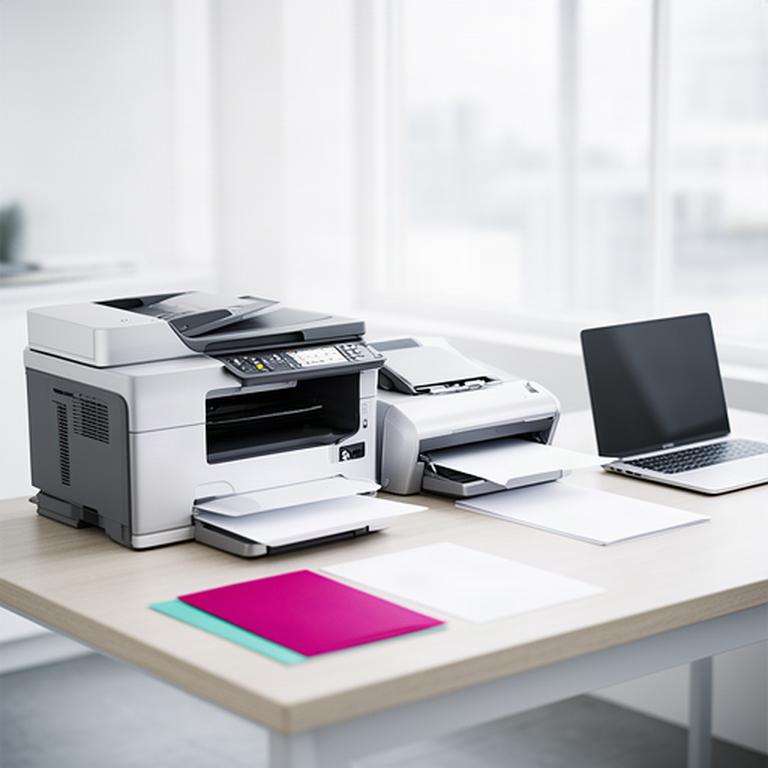
A compact laser setup handles everyday invoices, forms, and client packets without crowding your office.
Keep essential equipment working with clear help from a nearby service team.
HP, Dell, and Canon equipment gets careful fault finding and direct recommendations.
Prevent repeat failures with scheduled checks for the devices your staff uses daily.
Choose a visit at your Temescal Valley office or get guided support by phone.
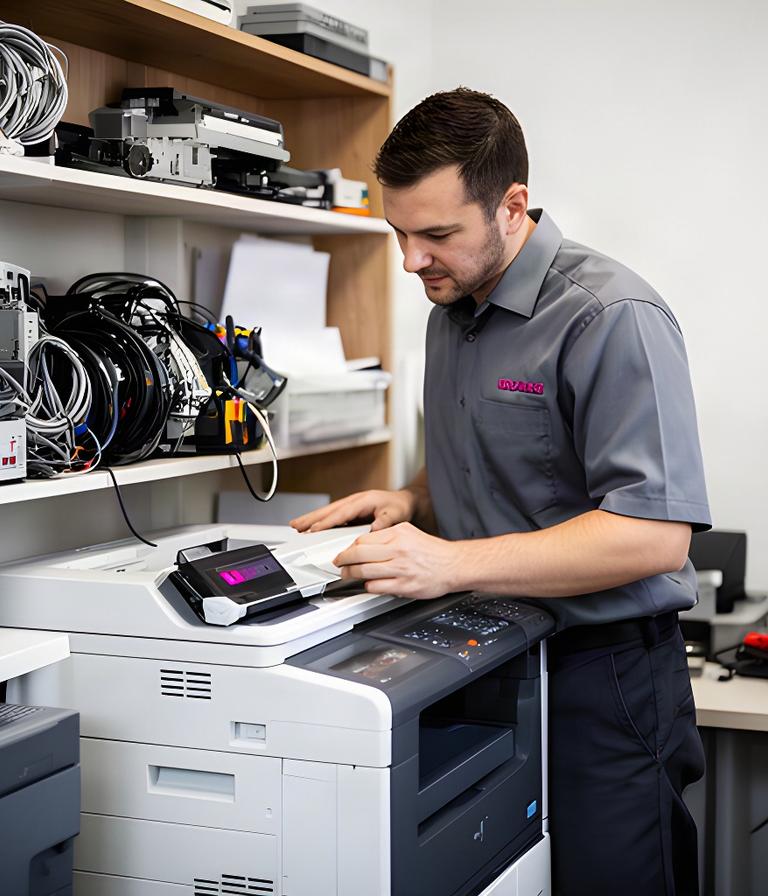
Dell Support helps Temescal Valley businesses buy equipment with fewer surprises. We ask how your team prints, scans, stores files, and handles busy periods before recommending a device. When something breaks, you get a clear diagnosis, a realistic timeframe, and a repair path you can approve. Our work covers printers, computers, and scanners, so your staff has one place to call for everyday equipment issues. Small details matter here. We label the problem and explain the fix.
"Our front desk printer failed before a busy appointment day. Dell Support found the issue, explained the repair, and had us printing again that afternoon."
Start with focused help or set a regular service rhythm for your office.
For a single fault, urgent repair, or equipment decision.
Pay per service request
For teams that need devices checked before small faults become downtime.
Monthly service scheduling
For growing offices with several devices and a need for one accountable contact.
Configured for your workplace
Dell Support gives owners access to guidance for many types of Dell hardware, from notebooks and desktop computers to monitors and accessories. Depending on the product, users can find information covering installation, configuration, drivers, software updates, diagnostics, and solutions for frequently encountered problems.
Accurate product identification is essential when searching for technical assistance. Once the specific Dell model has been determined, users can refer to resources intended for that device and its operating environment. Available materials may include documentation, diagnostic procedures, compatible drivers, firmware packages, and software tools.
Support resources can be available for numerous Dell product lines, including portable computers, desktop systems, workstations, displays, and associated peripherals. The instructions and downloadable files can vary between models. Users should therefore make sure that the selected support material corresponds to the equipment they are actually using.
It can be useful to record the product model, operating system, exact symptoms, and any warning or error messages that appear. For issues involving external devices, users may also need to identify the connection type and the equipment involved. Having these details ready can make it easier to choose an appropriate diagnostic procedure.
Many support resources are designed to explain common procedures in a clear sequence, making them accessible to users with different levels of experience. Depending on the situation, instructions may address device setup, internet connectivity, driver installation, system updates, or performance concerns. Following only the steps relevant to the identified problem can help avoid unnecessary configuration changes.
Hardware drivers provide the connection between the operating system and physical components. Problems with a driver can sometimes result in missing functions, unstable behavior, or error messages. For this reason, users may need to check whether an updated and compatible driver is available for their particular Dell model and operating system.
Users can begin by checking the physical or wireless connection and confirming that the external device is powered on when necessary. The selected device and its associated software should also be reviewed. Depending on the situation, reconnecting the hardware, restarting the computer, or checking the relevant drivers may help restore normal detection.
Performance changes can result from several different conditions. A lack of available storage, resource-intensive applications, excessive background activity, outdated software, configuration settings, or hardware limitations may all have an effect. Examining system behavior and using appropriate diagnostic tools can help determine which factor requires attention.
Before starting an installation, users should confirm the exact Dell product model and the operating system for which the package is intended. The version and compatibility information should be reviewed as well. Firmware procedures should be performed according to the supplied instructions and should not be unnecessarily interrupted while an update is in progress.
Preparing the product model, a detailed description of the issue, visible error messages, and previously attempted solutions can provide useful context for technical assistance. Users should explain the problem as accurately as possible and mention when it first appeared. Private passwords, verification codes, and other sensitive account information should always be kept protected.
Tell us what is slowing your office down. We will recommend a practical next move.